Advanced Manufacturing
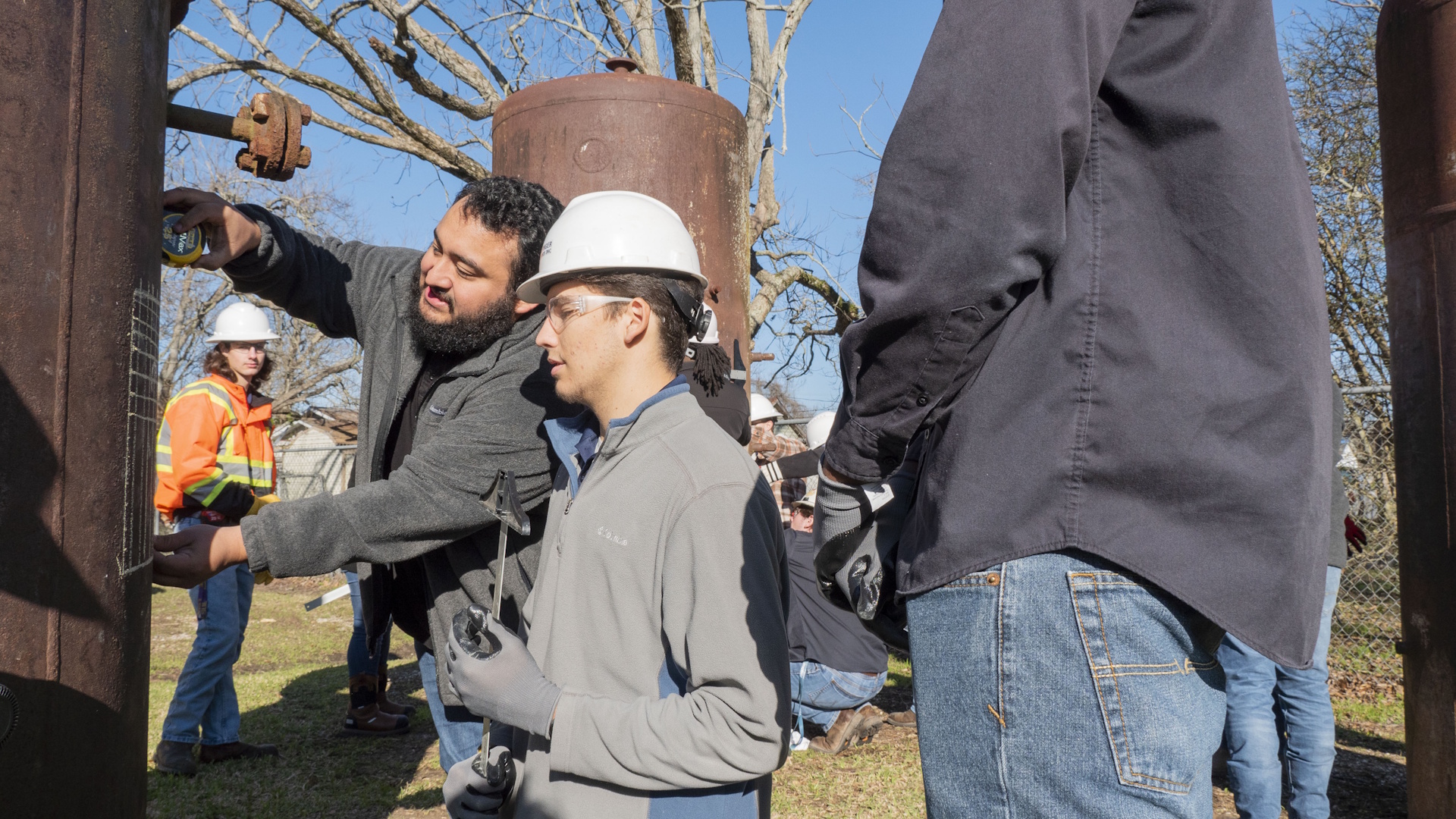
The Advanced Manufacturing pathway prepares students for hands-on careers in design, production, maintenance, inspection, and industrial technology. Students can explore fields such as drafting, industrial mechanics, electronics, nondestructive testing, aviation maintenance, and manufacturing technology. Through technical coursework and practical training, students build problem-solving and industry-ready skills that can lead to certifications, continued education, and careers across manufacturing, aviation, energy, construction, and other technical industries.
Aviation Maintenance Technology
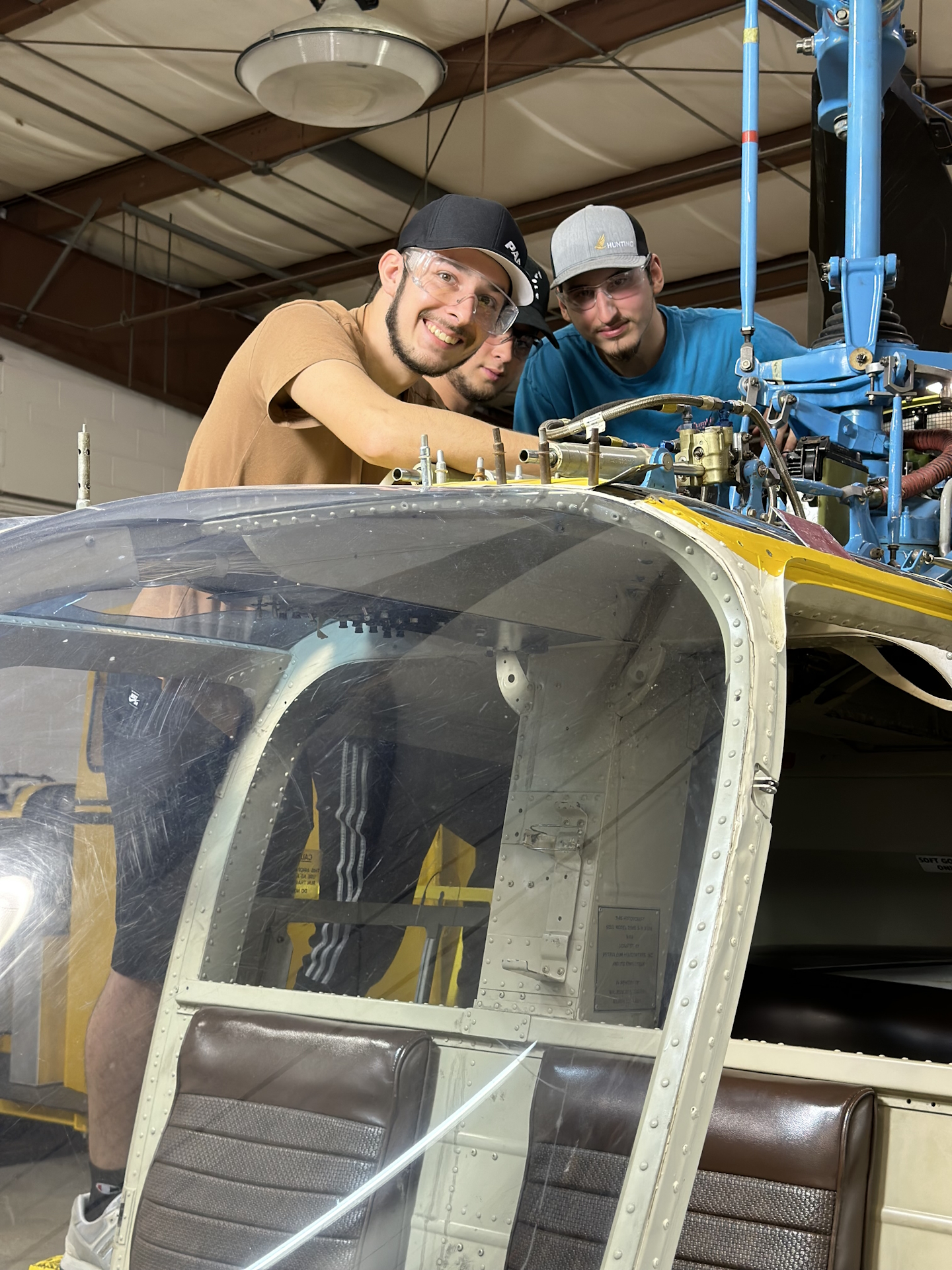
Interested in aircraft and enjoy understanding how complex systems work? Aviation Maintenance Technology prepares students with the hands-on technical skills needed to inspect, maintain, troubleshoot, and repair the mechanical and electrical systems that keep aircraft operating safely and efficiently.
Students gain experience with aviation fundamentals, airframe maintenance, reciprocating engines, powerplant systems, and turbine engines while working with systems found on civilian, military, and personal aircraft. The two-year program prepares students to pursue Federal Aviation Administration (FAA) Airframe and Powerplant (A&P) mechanic certification and career opportunities in aircraft maintenance, repair, overhaul, modification, and other aviation-related fields.
Drafting & Design Technology
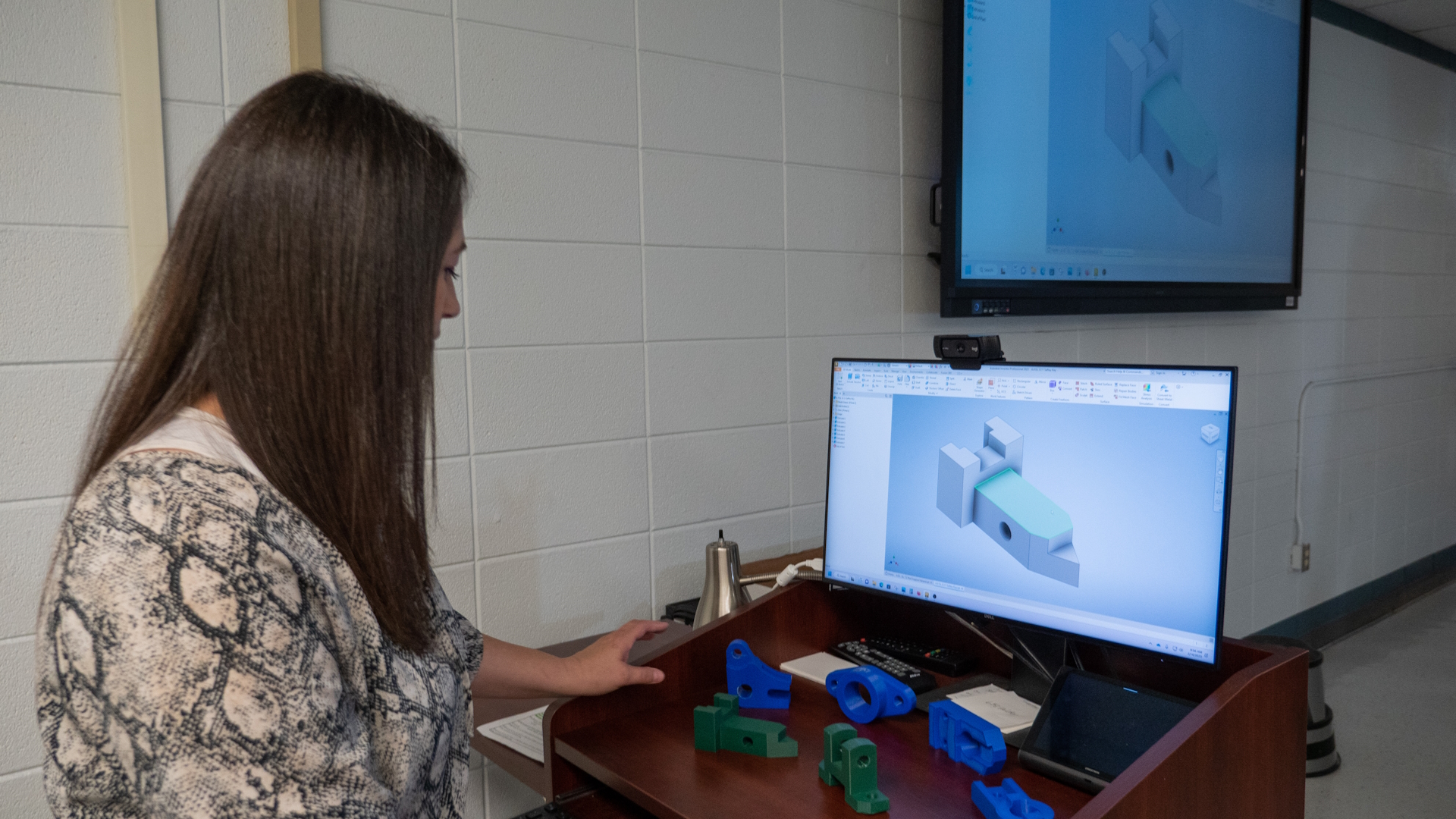
Turn ideas and concepts into detailed technical designs through a career in drafting and design. The Drafting & Design Technology program provides hands-on training in the principles and technologies used to create precise drawings and plans for real-world projects.
Students learn to use manual and computer-aided design (CAD) techniques, interpret project information and data, apply design principles, and communicate technical information through accurate drawings and graphics. Graduates develop practical skills that can be applied in industries such as architecture, engineering, construction, manufacturing, and other technical design fields.
Industrial/Agriculture Mechanics Technology
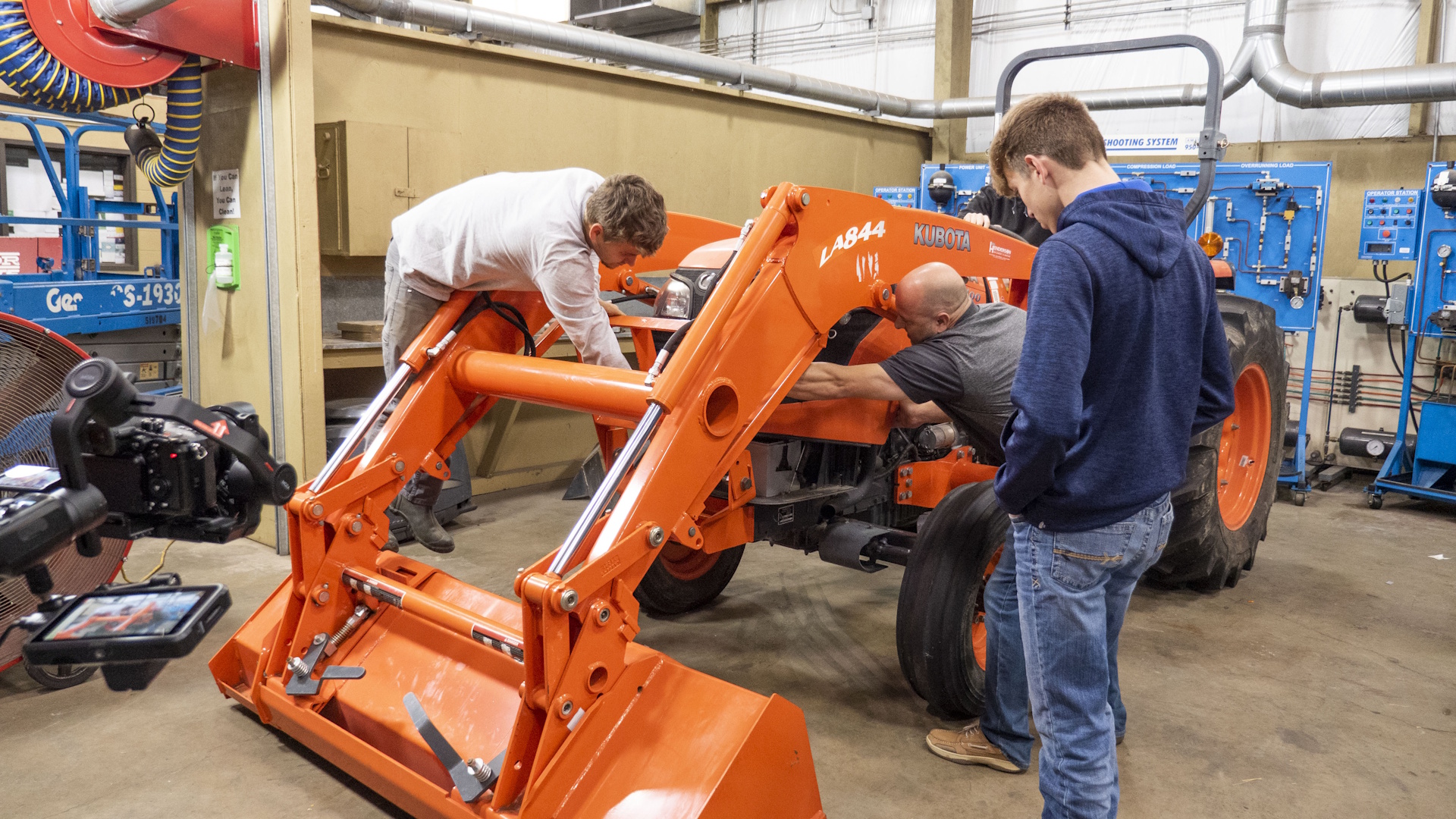
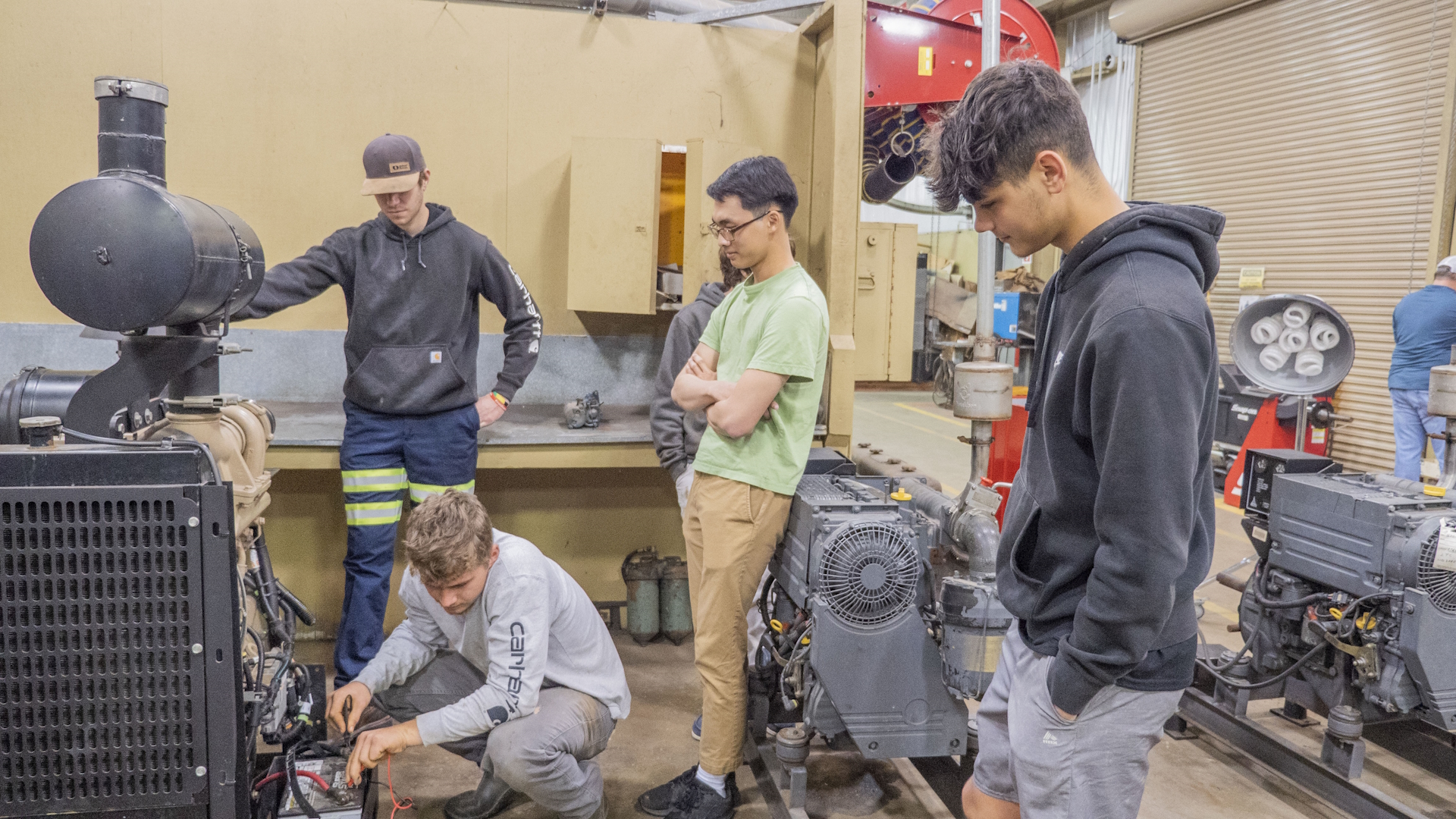
Interested in working with engines, heavy equipment, and machinery? The Industrial/Agriculture Mechanics Technology program provides hands-on training to prepare students to inspect, diagnose, repair, and maintain diesel-powered equipment used across agriculture, industry, and other technical fields.
Students gain practical experience working with equipment such as tractors, forklifts, ATVs, generators, boats, and other agricultural and heavy machinery. Training includes diesel engines, fuel and electrical systems, power trains, basic hydraulics, preventive maintenance, and the safe use of hand and power tools, jacks, and hoisting equipment. Graduates develop versatile mechanical and troubleshooting skills that can lead to career opportunities in agriculture, equipment repair and maintenance, heavy equipment operations, and related industries.
Industrial Electronics Technology
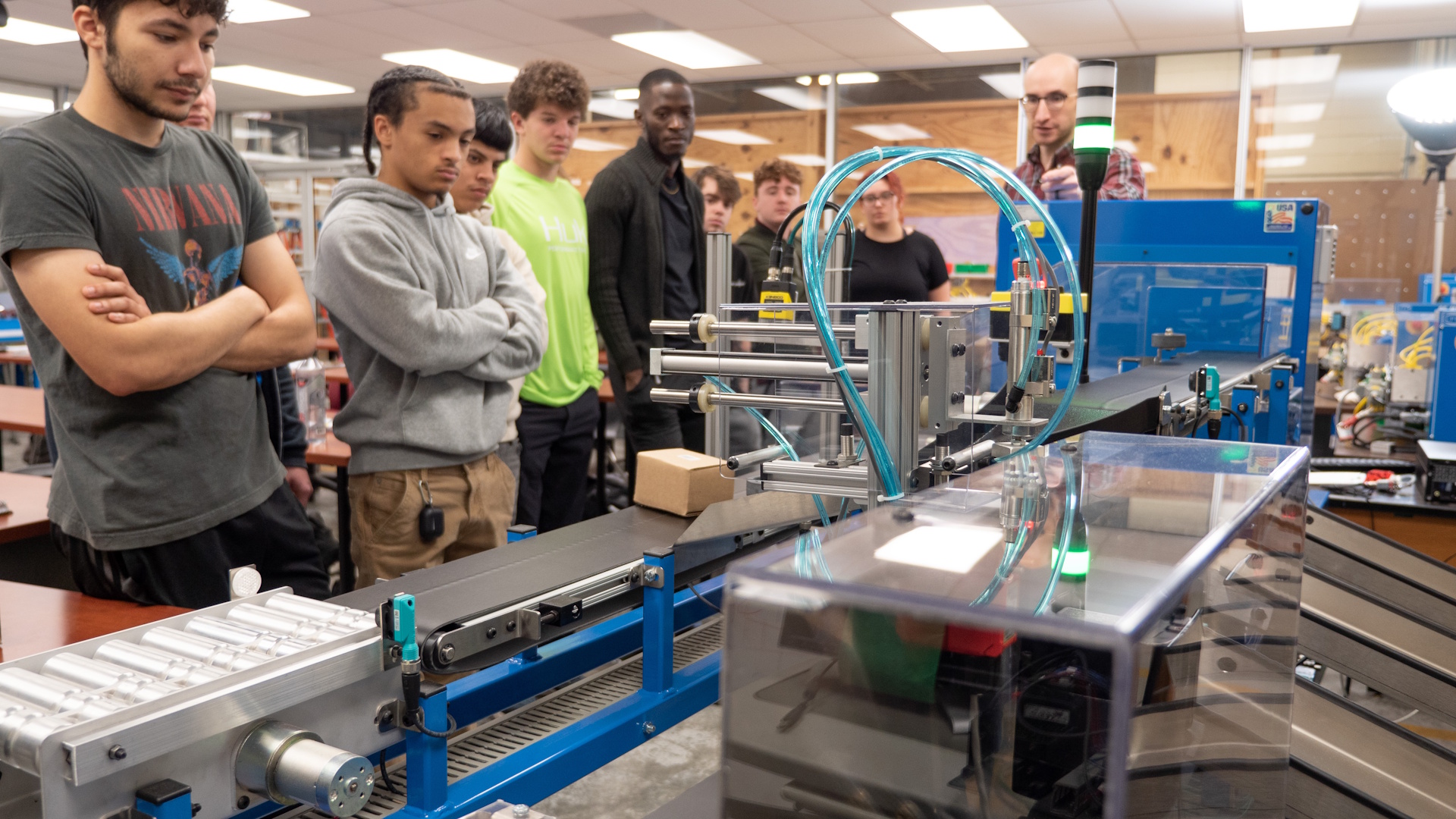
Interested in understanding how the electronic systems behind modern industry work? Industrial Electronics Technology prepares students with the hands-on technical skills needed to install, troubleshoot, maintain, and support the electronic equipment and control systems used in industrial environments.
Students build a foundation in electronics and electricity while gaining practical experience with electronic circuits, electrical measurements and instruments, circuit simulation and design, process controls, electric motors and motor controls, and other industrial technologies. Graduates develop valuable troubleshooting and technical skills that can lead to career opportunities in manufacturing, industrial maintenance, automation, electronics, and other technology-driven industries.
Industrial Technology
Interested in engineering, technology, and how products and industrial processes come together? The Industrial Technology program provides a foundation in the technical, problem-solving, and management skills used in manufacturing and other technology-driven industries.
Students learn to construct, test, and modify devices used in manufacturing while developing skills in critical thinking, computer graphics, simulation and modeling, problem-solving, business organization, and management. Graduates can pursue opportunities in technology and industrial environments or continue their education toward a bachelor's degree in industrial technology, engineering, and technology management, or a related field.
Nondestructive Testing Technology
Have an eye for detail and enjoy solving problems? Nondestructive Testing (NDT) Technology prepares students to inspect materials, equipment, and structures for flaws or defects—without damaging the components being tested. These specialized techniques play an important role in helping industries maintain quality, reliability, and safety.
Through classroom instruction and hands-on training aligned with industry standards, students learn methods used to evaluate the condition and integrity of materials and components. Graduates develop specialized inspection and problem-solving skills that can lead to career opportunities in industries such as manufacturing, energy, aviation, construction, transportation, and industrial inspection.