Healthcare & Human Services
The Healthcare & Human Services pathway prepares students for careers focused on improving the health and well-being of individuals and communities. Students can explore fields ranging from nursing and emergency services to medical imaging, laboratory science, healthcare administration, and personal care. Through classroom instruction and hands-on training, students build practical skills that can lead to industry certifications, licensure, continued education, and careers across a wide variety of healthcare settings.
Cosmetology
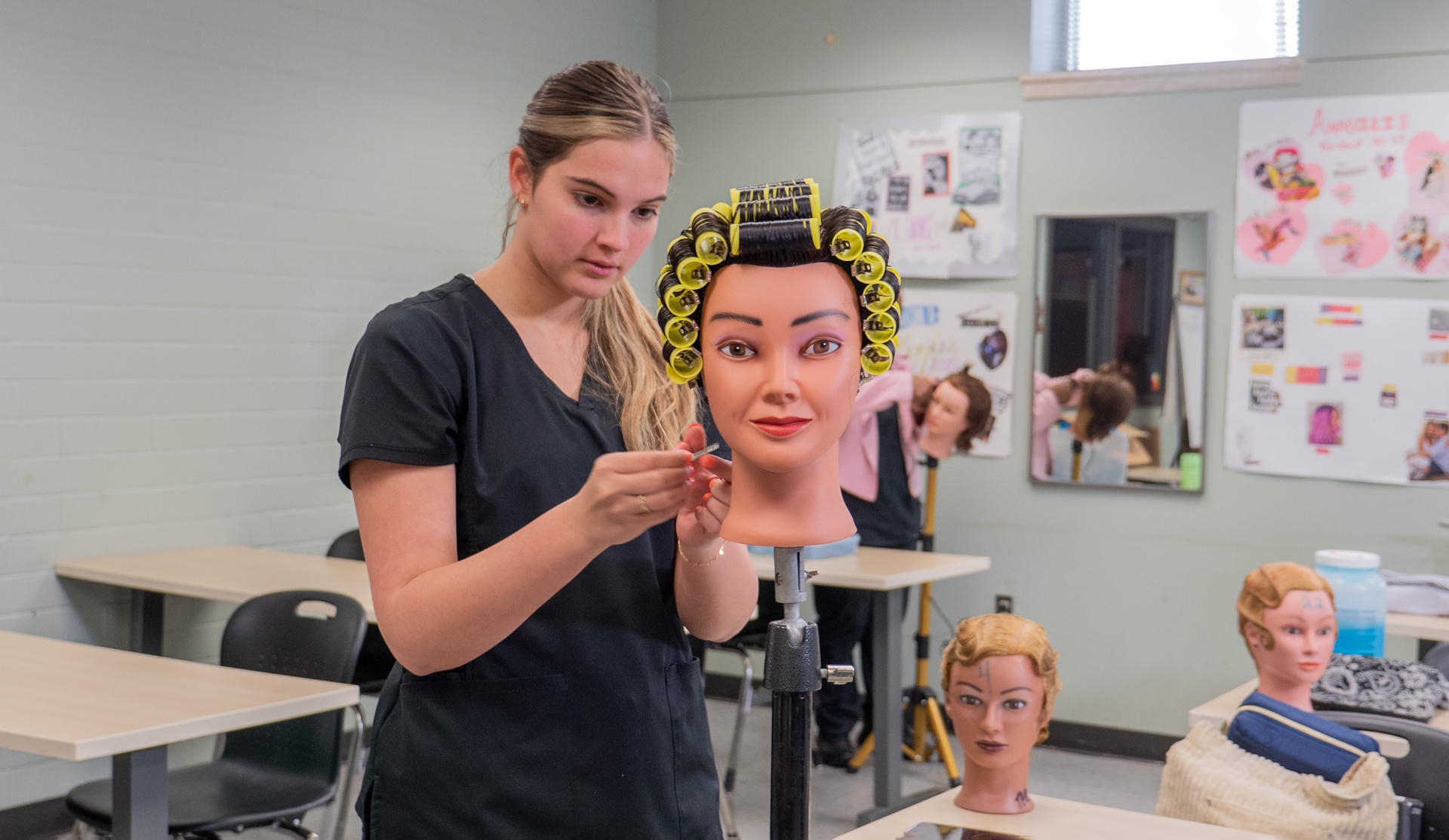
Turn your creativity and passion for beauty into a hands-on career in cosmetology. The Cosmetology program prepares students with the technical knowledge, practical skills, and professional experience needed to pursue careers in the beauty and personal care industry.
Students develop their skills through classroom and hands-on instruction, including real-world experience in an on-site salon operated according to industry standards under instructor supervision. The program meets Louisiana's 1,500-hour training requirement and prepares graduates to take the Louisiana State Board of Cosmetology licensure examination and pursue employment in a variety of cosmetology and beauty-related settings.
Diagnostic Medical Sonography
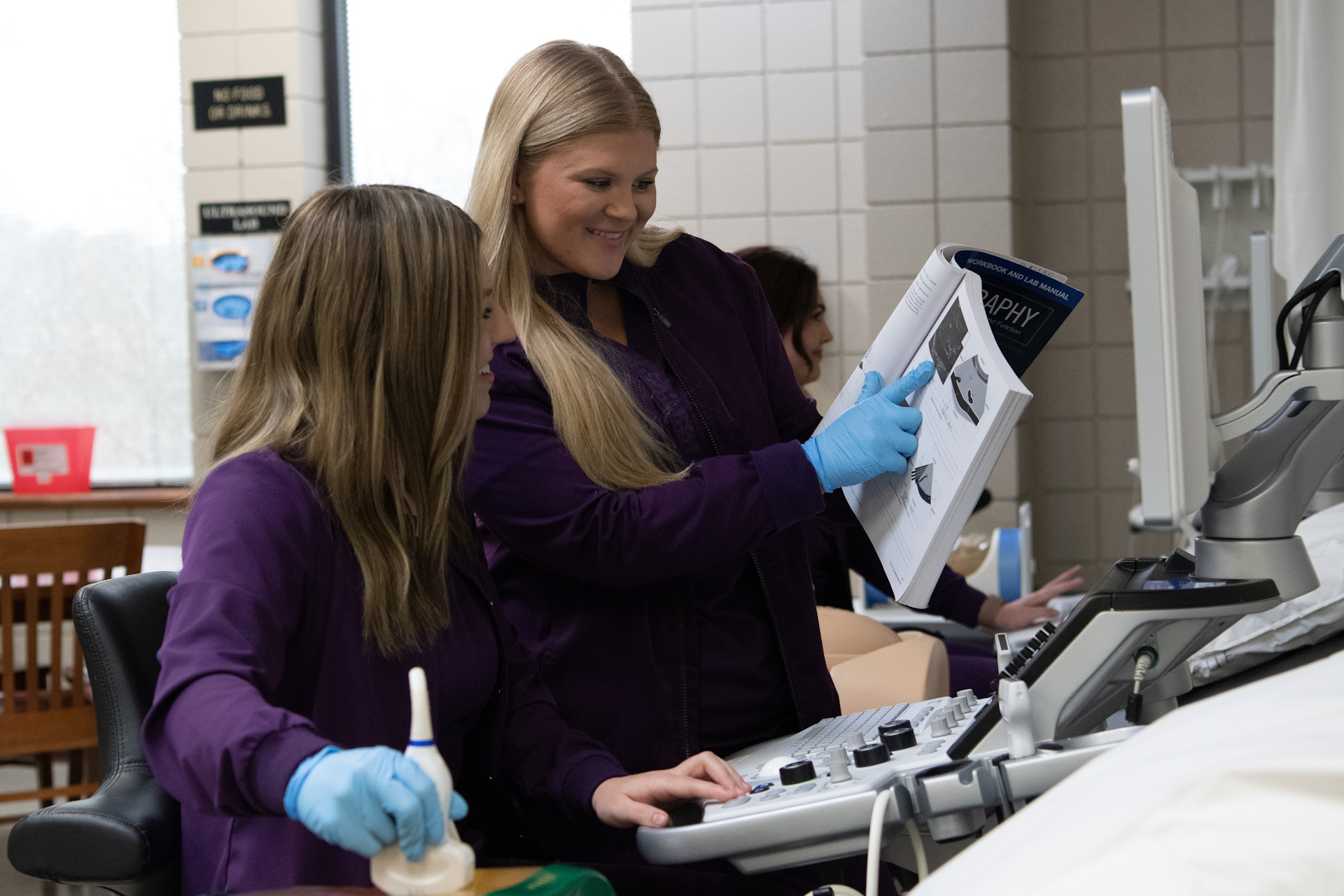
Combine patient care with advanced ultrasound technology to help healthcare providers diagnose and monitor medical conditions. The Diagnostic Medical Sonography program prepares students to become entry-level sonographers specializing in abdominal and Obstetrics/Gynecology (OB/GYN) imaging. Students learn to use sound wave technology to create detailed images of the body's internal structures that provide valuable information for patient diagnosis and care.
Through classroom instruction, laboratory practice, and hands-on clinical training, students develop skills in ultrasound imaging, patient care, professional judgment, and the safe and effective use of sonography equipment. Graduates are prepared to pursue national credentialing examinations and career opportunities in hospitals, imaging centers, physician practices, women's health clinics, and specialty diagnostic facilities.
EMT-Paramedic
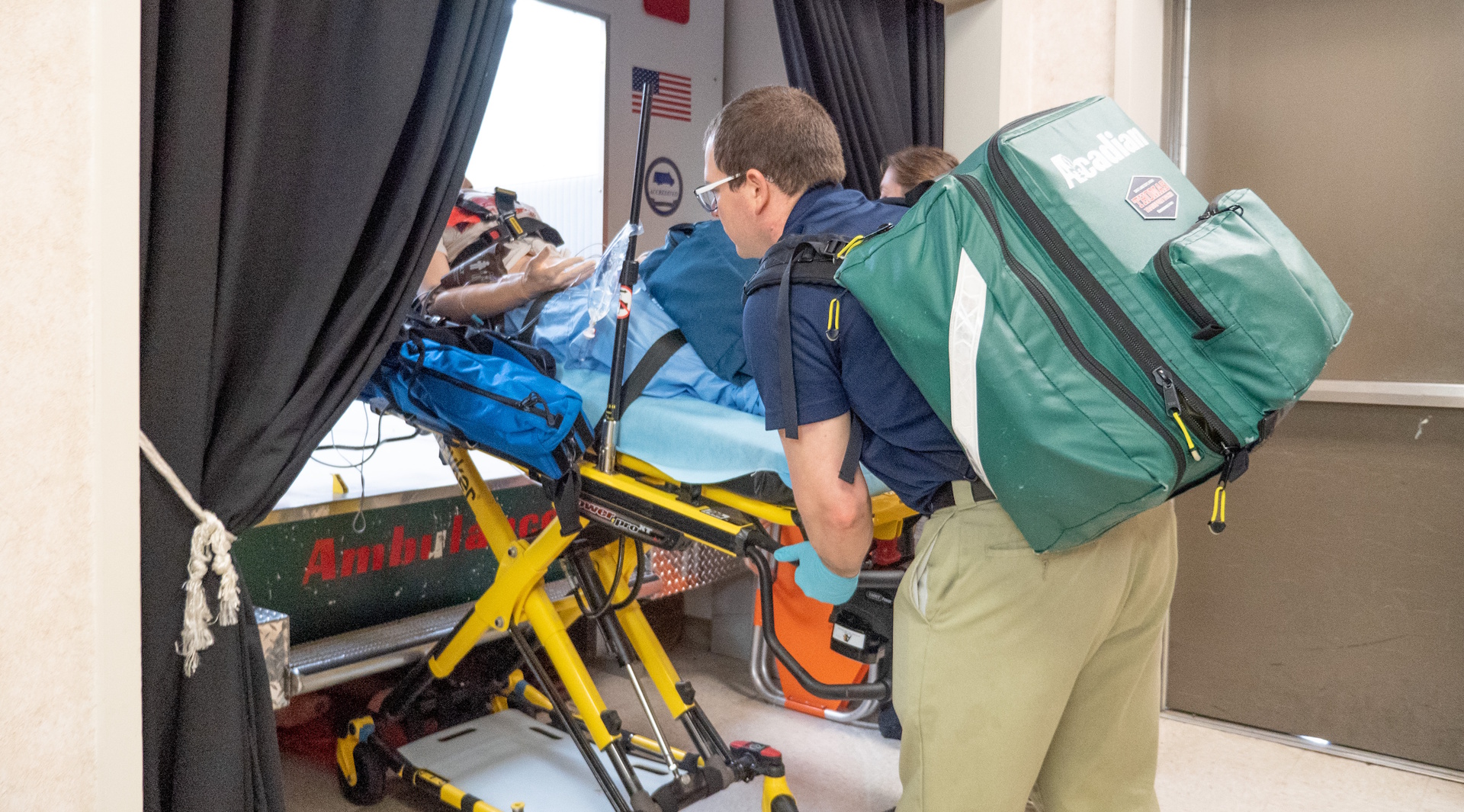
Turn your interest in helping others into a fast-paced, rewarding career in emergency medical services. Through hands-on training and real-world learning experiences, the Emergency Medical Technician (EMT) and Paramedic programs prepare students to assess patients, provide critical emergency care, and make quick, informed decisions when every second counts.
Students develop the technical skills, critical thinking, and patient-care experience needed to respond confidently in emergency situations. Graduates can pursue career opportunities with ambulance services, fire departments, emergency rooms, security agencies, dispatch centers, telehealth services, EMS education, aeromedical services, and other emergency and healthcare settings.
Health Studies
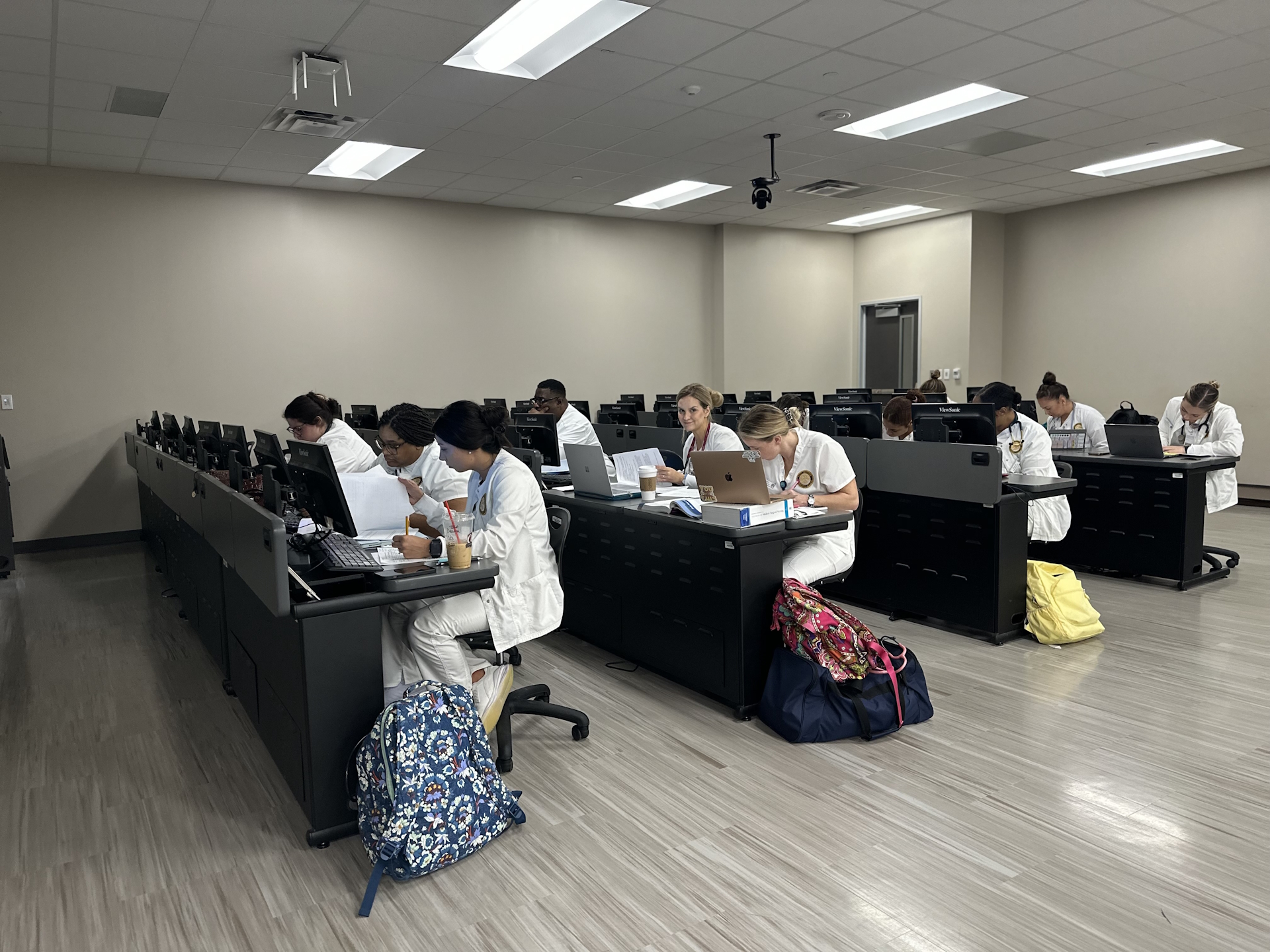
Interested in healthcare but looking for a career beyond direct patient care? The Health Studies program provides a broad foundation for students interested in the administrative, operational, and support functions that help healthcare organizations succeed. The program can lead to opportunities in areas such as healthcare administration, EMS coordination, data management, healthcare marketing, and other health-related fields.
Students build knowledge of the healthcare industry while developing skills that can be applied across a variety of healthcare settings. The program also includes an internship experience that connects classroom learning with 120 hours of hands-on experience in a professional setting, giving students the opportunity to explore healthcare careers, build workplace skills, and gain valuable real-world experience.
Medical Assistant
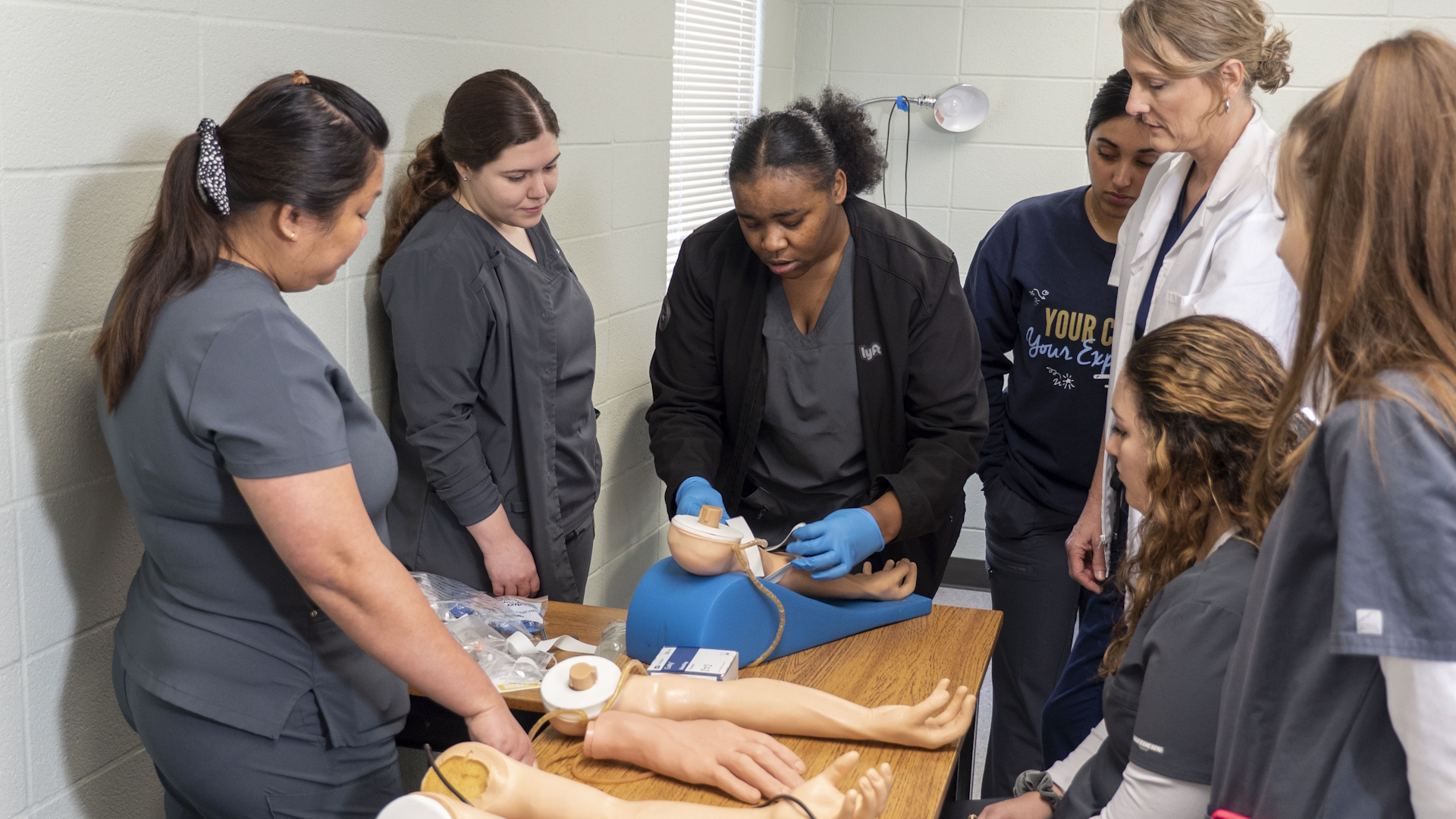
Start your healthcare career in a role that combines patient care with essential clinical and administrative skills. The Medical Assistant program prepares students to support healthcare teams through hands-on training in areas such as taking vital signs, assisting with patient care and procedures, collecting specimens, drawing blood, administering medications as permitted, and maintaining medical records.
Medical assistants play an important role in keeping healthcare settings running smoothly while helping patients feel informed and cared for. Graduates can pursue opportunities in physician offices, clinics, hospitals, laboratories, and other healthcare settings, with additional career possibilities in areas such as medical records and insurance.
Medical Billing and Coding
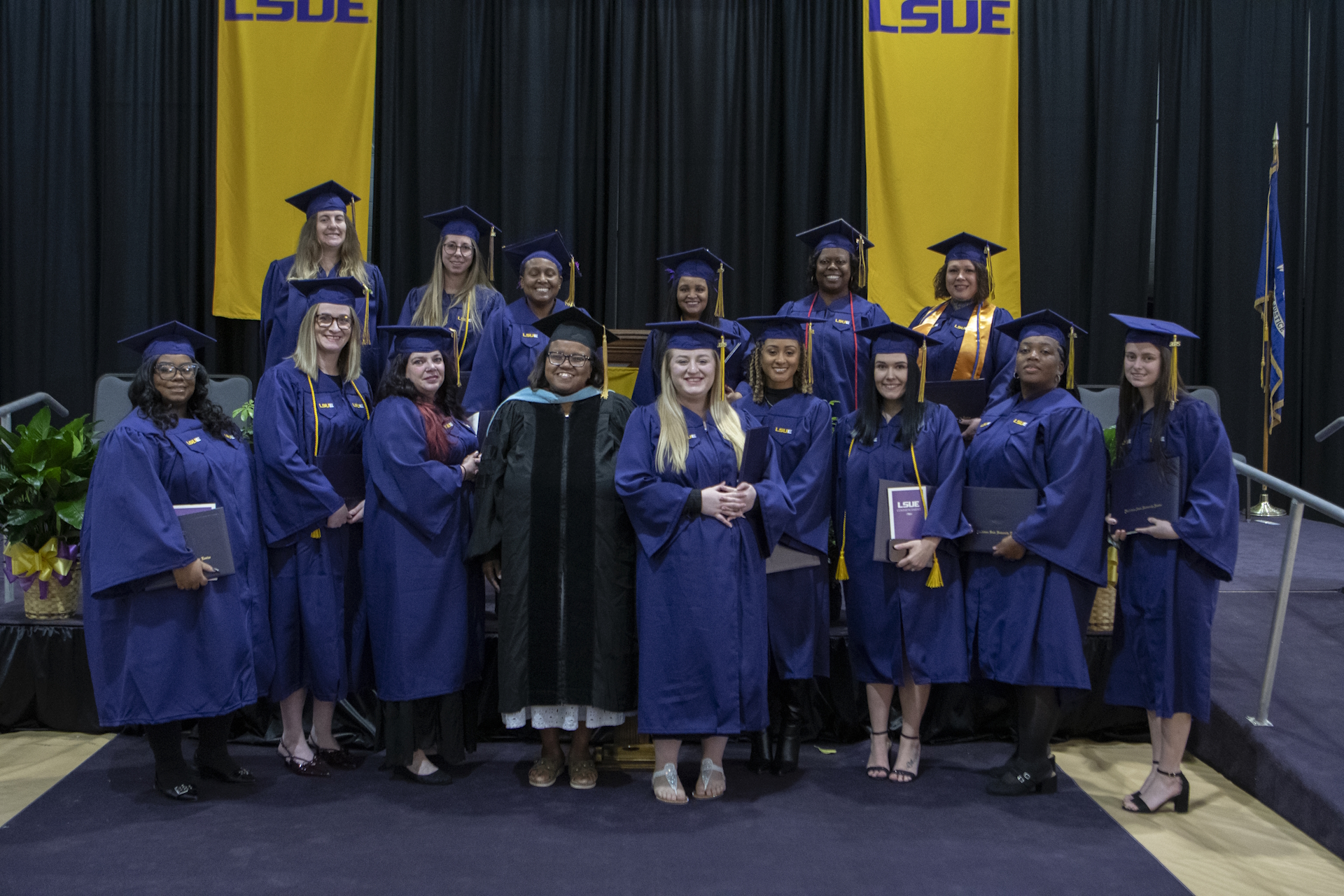
Interested in healthcare but prefer working behind the scenes? Medical Billing and Coding prepares students to play an important role in keeping healthcare organizations and patient information running smoothly. Students learn to accurately code medical diagnoses and procedures, process insurance claims, maintain patient records, and manage healthcare data.
Through coursework in medical terminology, anatomy, health information management, healthcare law and ethics, billing, and coding systems, students develop the technical and organizational skills needed for healthcare administration. Graduates can pursue career opportunities in physician offices, hospitals, healthcare systems, insurance companies, medical billing organizations, and other healthcare settings, as well as nationally recognized professional coding certifications.
Medical Laboratory Science
Interested in healthcare and science but prefer working behind the scenes? Medical Laboratory Science prepares students to play an important role in detecting disease, supporting diagnoses, and helping healthcare providers make informed decisions about patient care.
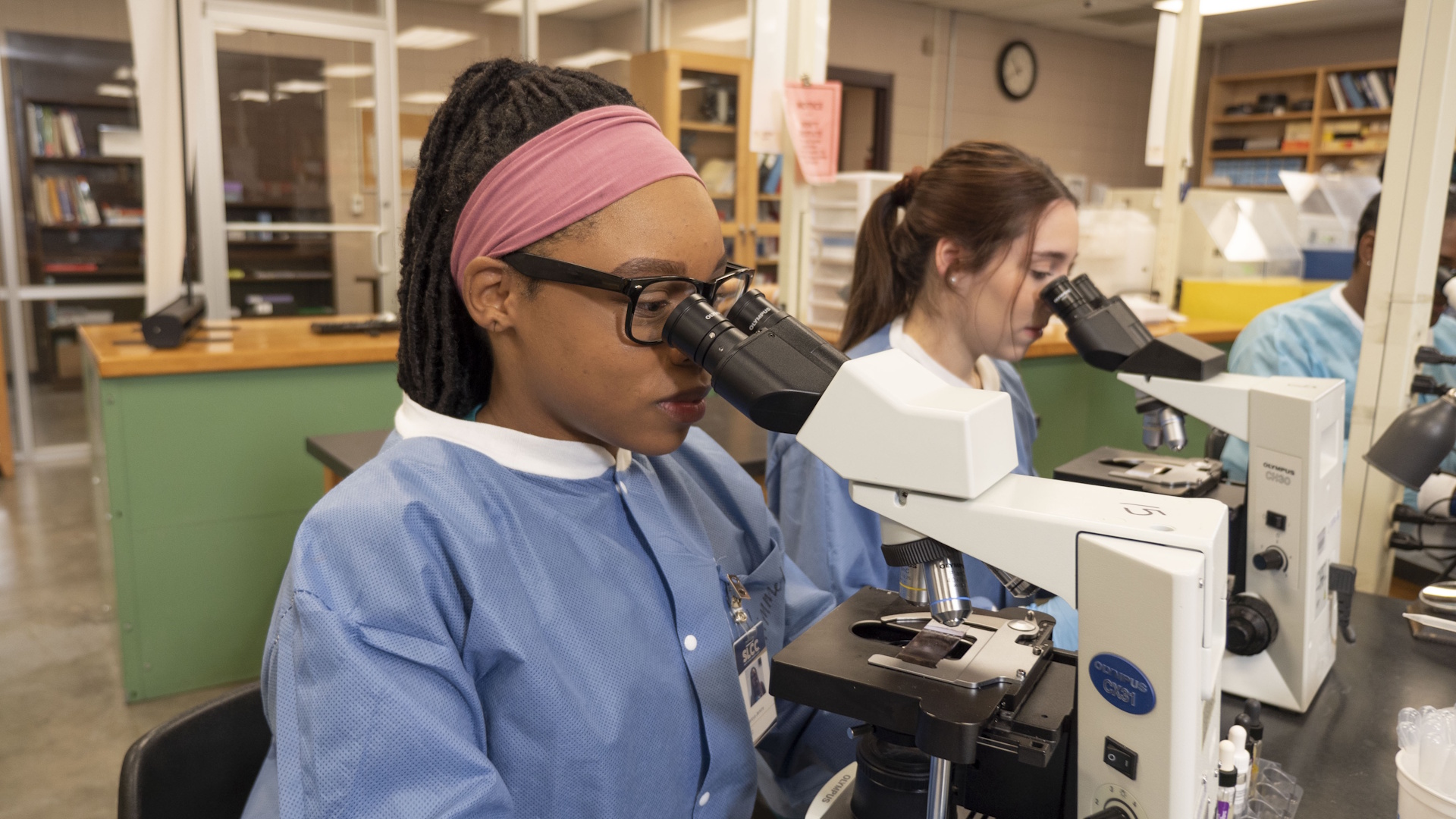
Through hands-on laboratory training, students learn to analyze blood and other body fluids, perform diagnostic testing, evaluate laboratory findings, and accurately interpret and report results. Graduates are prepared to pursue national certification and career opportunities as Medical Laboratory Technicians in hospitals, clinics, diagnostic laboratories, and other healthcare settings.
Nursing: LPN to RN
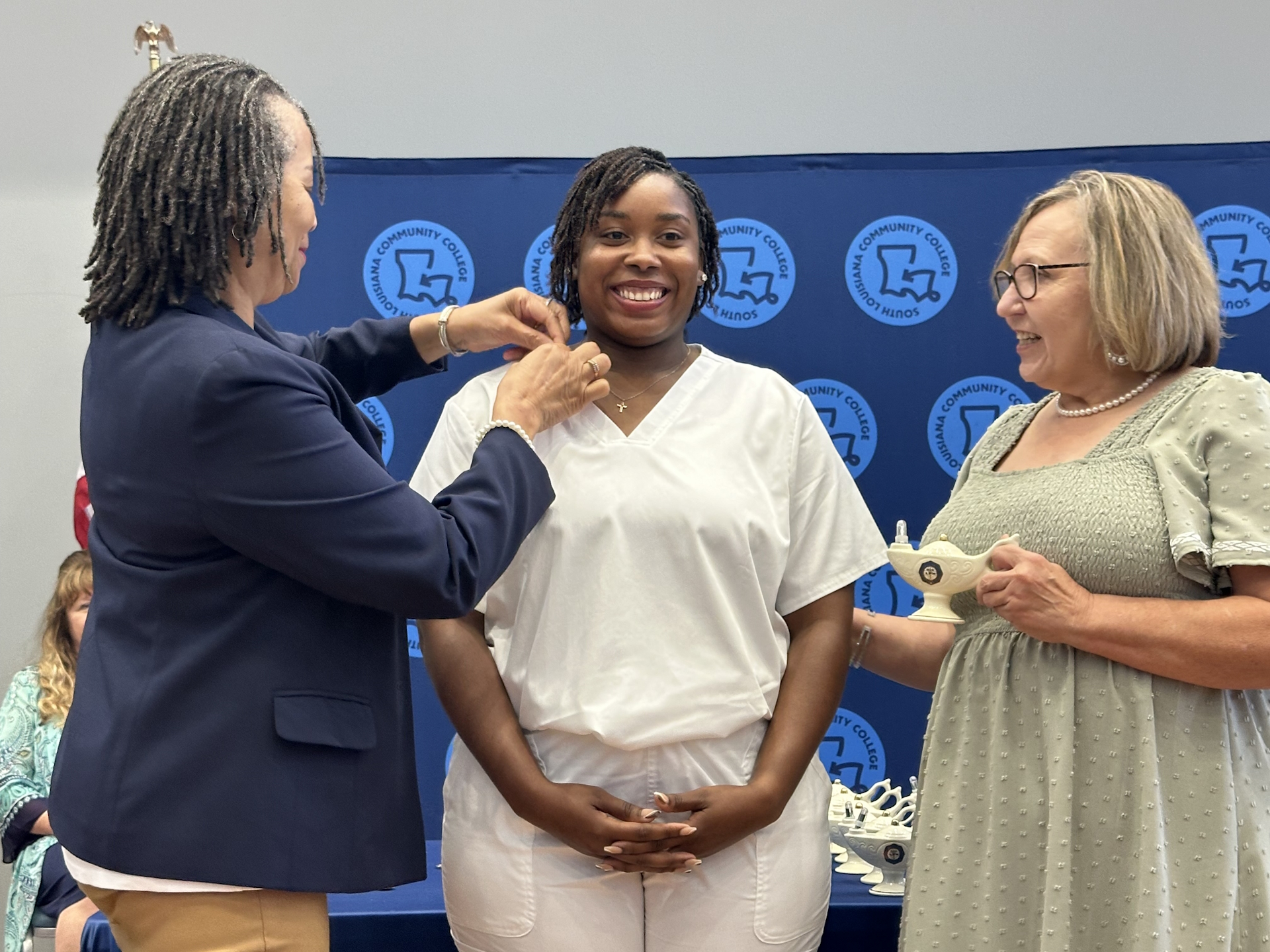
Ready to take the next step in your nursing career? The LPN to RN Transition pathway provides Licensed Practical Nurses (LPNs) with an accelerated route to becoming Registered Nurses (RNs), building on the knowledge, skills, and experience they have already gained in the nursing profession.
Through advanced nursing coursework, clinical learning experiences, and credit for prior learning, students strengthen their skills in patient care, clinical decision-making, and professional nursing practice. The pathway includes three semesters of coursework and prepares graduates to take the NCLEX-RN licensure examination and pursue expanded career opportunities as Registered Nurses.
Nursing: Practical Nursing
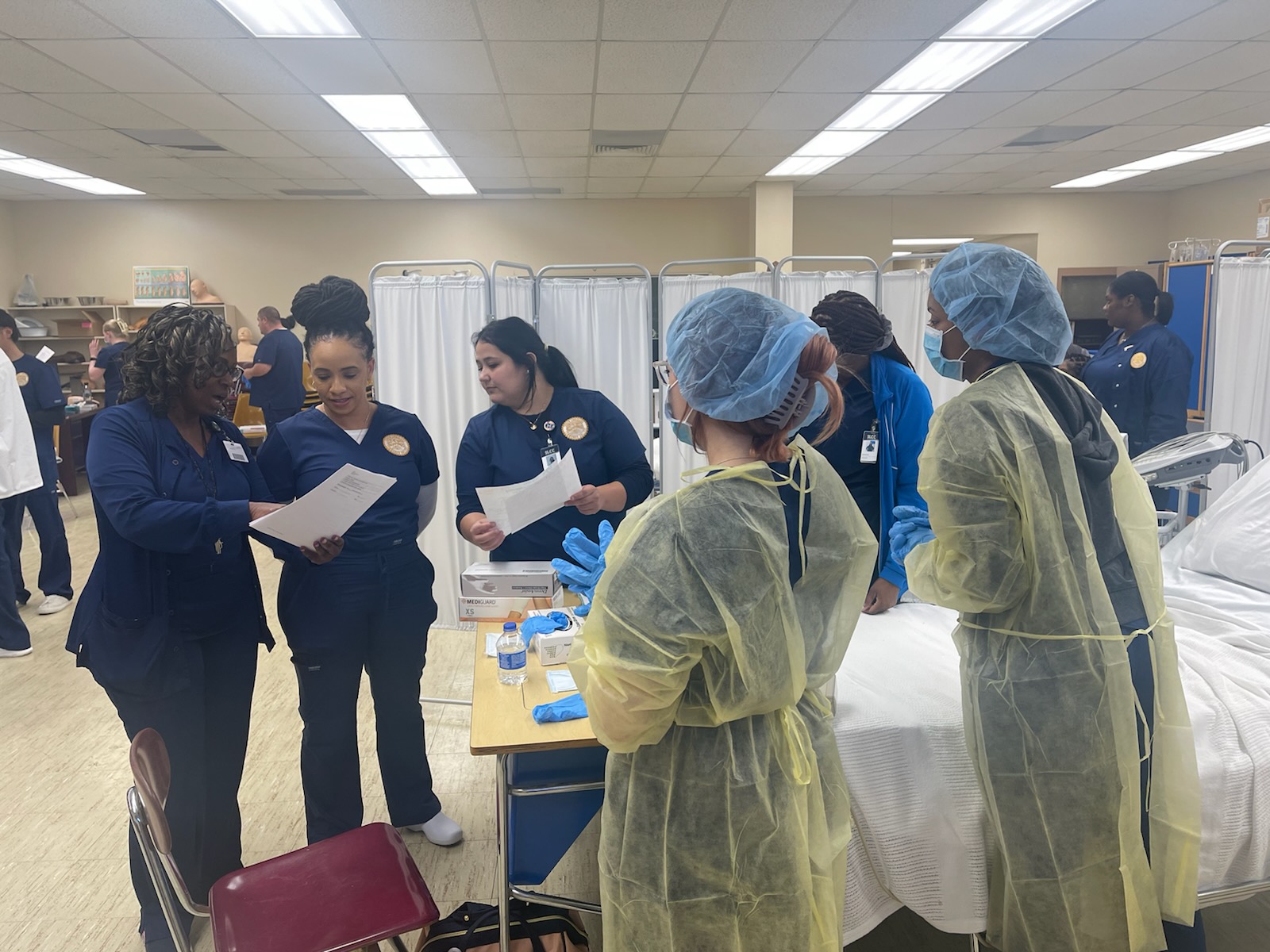
Build the skills to make a difference in the lives of patients through a career in practical nursing. The Practical Nursing program prepares students to provide hands-on patient care and meet the requirements for licensure as a Licensed Practical Nurse (LPN).
Students progress from foundational to more advanced nursing skills through a combination of classroom instruction, laboratory practice, and supervised clinical experiences in hospitals, nursing homes, and other healthcare settings. Graduates are prepared to pursue LPN licensure and begin careers providing essential nursing care as part of a healthcare team.
Nursing: Registered
Turn your passion for helping others into a career as a Registered Nurse (RN). Associate of Science in Nursing (ASN) programs prepare students with the clinical knowledge, technical skills, critical thinking, and compassion needed to provide high-quality patient care across a variety of healthcare settings.
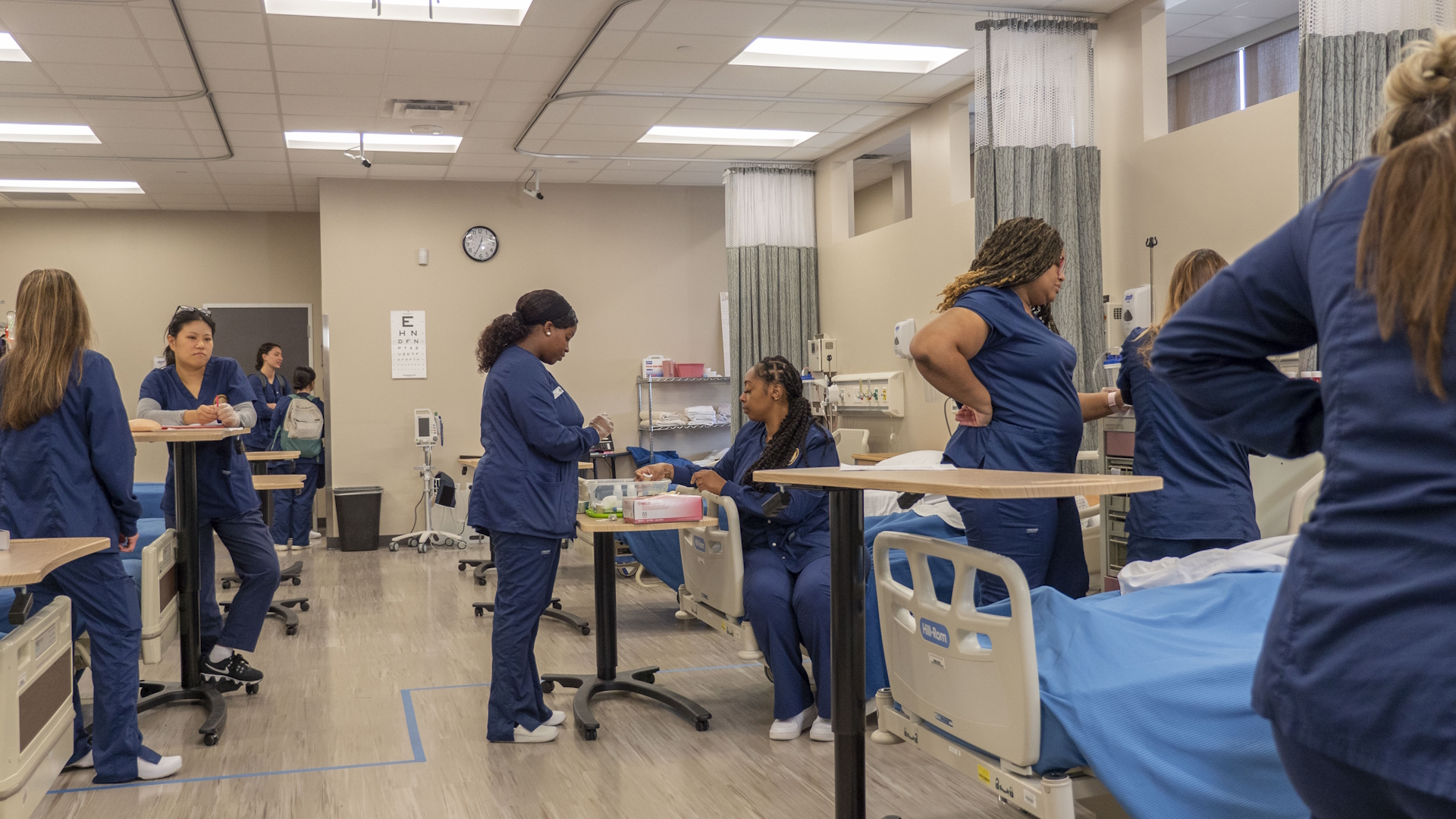
Through classroom instruction, laboratory and simulation experiences, and hands-on clinical training, students learn to assess patients, support treatment and recovery, and work as part of a healthcare team. Graduates are prepared to take the NCLEX-RN licensure examination and pursue nursing careers in hospitals, clinics, physician offices, long-term care facilities, home health, hospice, community health organizations, and other healthcare environments.
Radiologic Technology
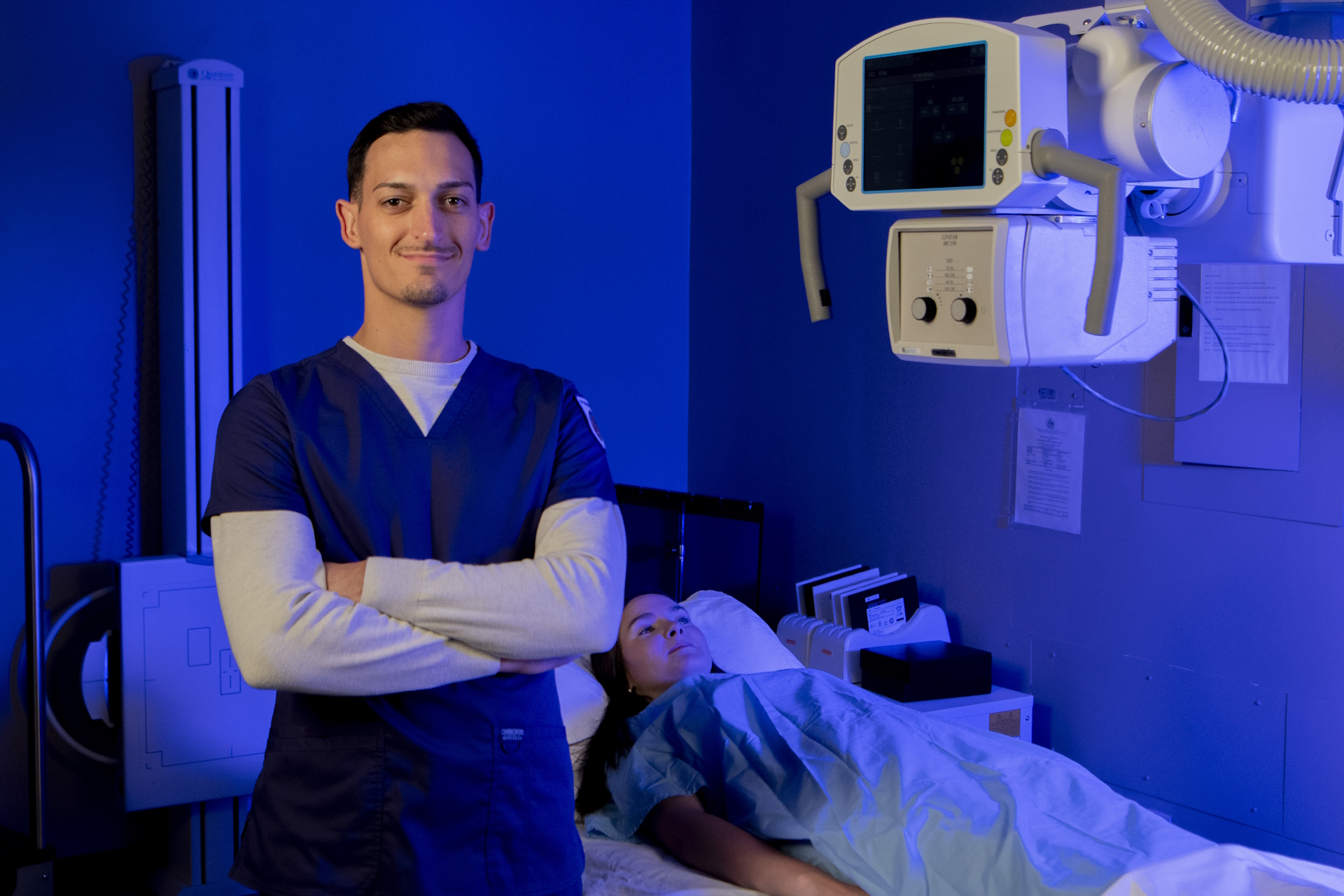
Combine patient care, science, and advanced medical imaging technology in a career as a radiologic technologist. The Radiologic Technology program prepares students to produce high-quality diagnostic images that help healthcare providers identify injuries, diagnose medical conditions, and guide patient care.
Through classroom instruction, laboratory practice, and hands-on clinical experiences, students learn to position and care for patients, operate imaging equipment, produce diagnostic images, and follow radiation safety practices. Graduates are prepared to pursue entry-level careers as radiologic technologists in hospitals, imaging centers, physician offices, outpatient clinics, and specialty diagnostic facilities.
Respiratory Care
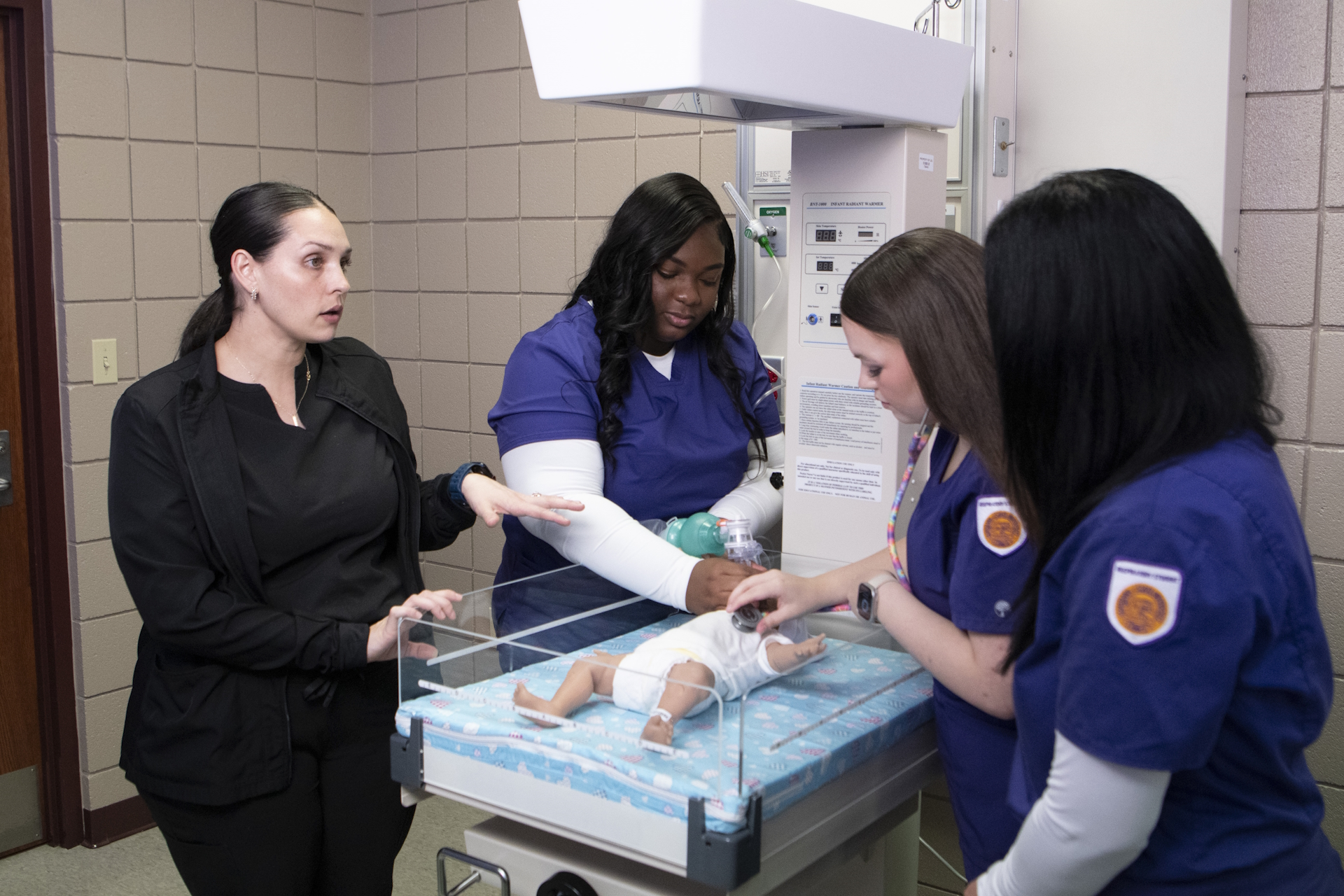
Help patients breathe easier and improve their quality of life through a career in respiratory care. The Respiratory Care program prepares students to become skilled respiratory therapists who assess, treat, and care for patients experiencing breathing difficulties and other heart and lung conditions.
Through classroom instruction, laboratory practice, and hands-on clinical experiences, students develop skills in patient assessment, respiratory treatments, critical thinking, and clinical decision-making. Respiratory therapists care for patients of all ages—from newborns to older adults—and may work in emergency departments, intensive care units, neonatal units, pulmonary rehabilitation programs, sleep centers, and other healthcare settings. Graduates are prepared to pursue professional credentialing and enter the workforce as respiratory therapists.
Surgical Technology
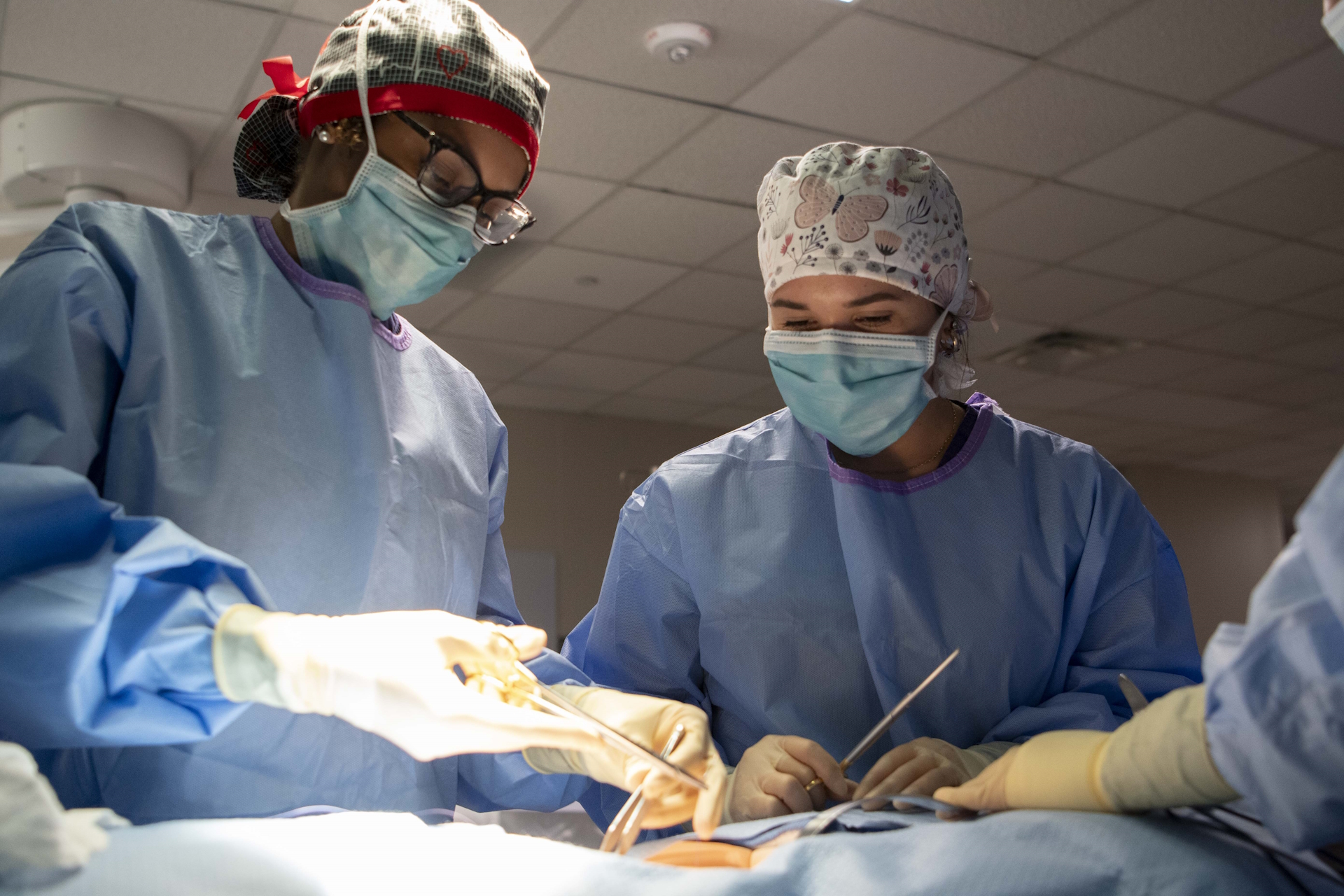
Thrive in fast-paced environments and have a strong attention to detail? Surgical Technology prepares students to become essential members of the surgical team, working alongside surgeons, nurses, and other healthcare professionals to help ensure procedures are performed safely and efficiently.
Through classroom instruction, laboratory practice, and hands-on clinical experiences, students develop skills in surgical procedures, sterile techniques, instrumentation, patient safety, and operating room practices. Graduates are prepared to pursue careers as surgical technologists in hospitals, outpatient surgery centers, physician practices, and specialty surgical facilities.